What is ELK in Cybersecurity? A Security Professional's Guide
The global SIEM market is projected to reach $19.13 billion by 2030 (Mordor Intelligence). Yet many security teams are building their threat detection capabilities using the ELK stack, an open-source alternative that powers security operations at companies like Netflix, Uber, and eBay. If you're evaluating log management and security monitoring solutions, understanding what ELK offers is essential.
What Does ELK Stand For?
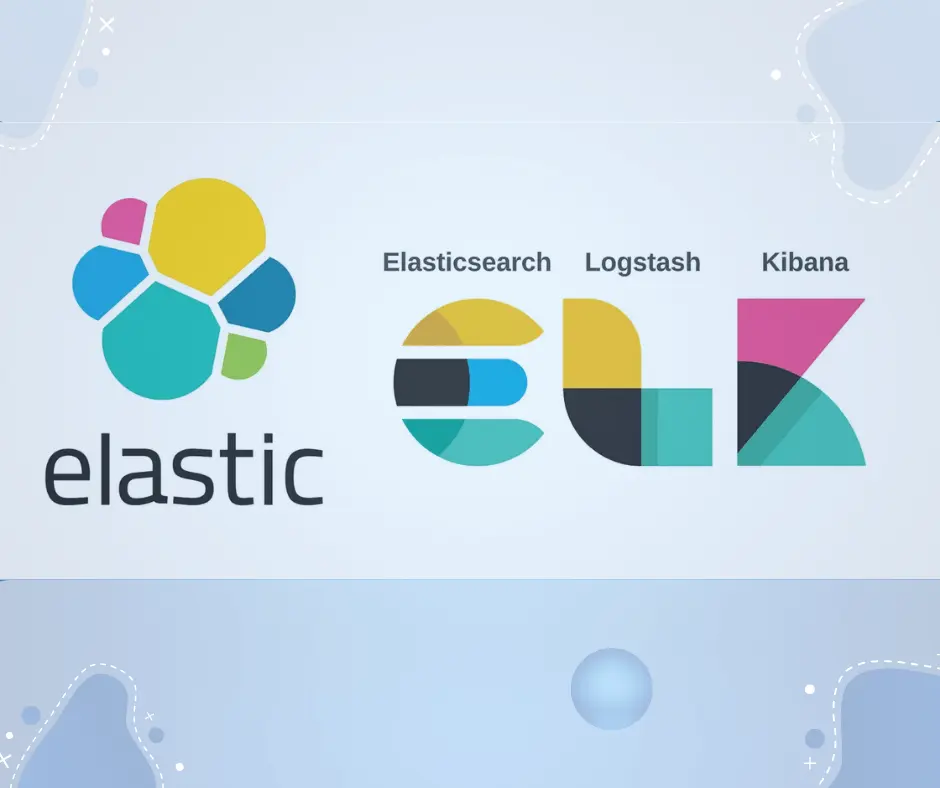
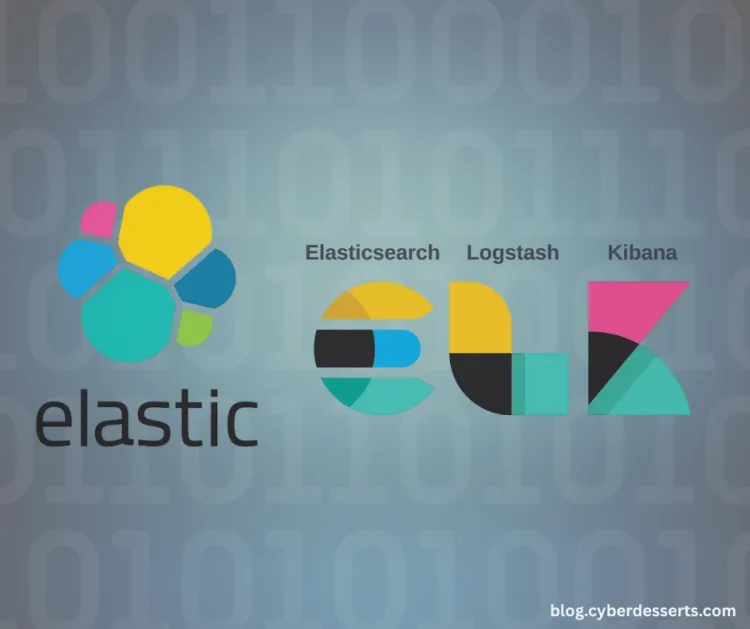
ELK is an acronym for three open-source projects that work together: Elasticsearch, Logstash, and Kibana. Each component handles a specific function in the data pipeline:
- Elasticsearch stores and indexes your security data, enabling fast searches across massive log volumes
- Logstash collects, parses, and transforms logs from multiple sources before sending them to Elasticsearch
- Kibana provides the visualization layer, letting you build dashboards, run queries, and investigate threats
The stack is now officially called the "Elastic Stack" after the addition of Beats (lightweight data shippers), but most security professionals still refer to it as ELK.
What is ELK Used For in Security Operations?
Security teams deploy ELK for several critical functions:
Centralized Log Management. Modern enterprises generate terabytes of logs daily from endpoints, firewalls, cloud services, and applications. ELK aggregates these disparate sources into a single searchable repository.
Real-Time Threat Detection. Security analysts use Kibana to monitor authentication failures, network anomalies, and suspicious process activity as events occur. The near real-time indexing in Elasticsearch means you're not waiting hours for logs to become searchable.
Incident Response and Forensics. When investigating a breach, analysts need to correlate events across multiple systems. ELK's powerful query language lets you trace an attacker's path from initial access through lateral movement to data exfiltration.
Compliance Logging. Regulations like GDPR, HIPAA, and PCI-DSS require organizations to maintain audit trails. ELK provides the log retention and reporting capabilities these frameworks demand.
Is ELK a SIEM Tool?
This is one of the most common questions security professionals ask, and the answer requires nuance.
Out of the box, ELK is a log management and analytics platform. It excels at collecting, storing, and visualizing data. However, it lacks several features that traditional SIEM solutions include by default:
- Built-in correlation rules for detecting multi-stage attacks
- Automated alerting on suspicious activity patterns
- Case management for tracking investigations
- Threat intelligence integration for IOC enrichment
That said, many organizations successfully use ELK as a SIEM by adding these capabilities through custom development, plugins like ElastAlert, or Elastic's commercial security features. The IDC 2024 Worldwide Views of SIEM Survey found that organizations connect over 100 data sources to their SIEM on average, and ELK can handle this scale when properly configured.
If you're weighing your options, check out our SIEM comparison poll to see what security professionals actually use in production. The short answer is if you need a a SIEM then Splunk might be the better option rather than just pure log monitoring where ELK is useful.
Is ELK the Same as Elasticsearch?
No. Elasticsearch is just one component of the ELK stack, specifically the search and storage engine. You can run Elasticsearch independently for use cases like website search or application monitoring.
The ELK stack combines Elasticsearch with Logstash (for data ingestion) and Kibana (for visualization) to create a complete log management solution. Elastic, the company, also offers additional products like Beats, APM, and Elastic Security that extend the platform's capabilities.
Who Owns ELK?
Elastic NV, a Dutch-American company founded in 2012, develops and maintains the Elastic Stack. The company was co-founded by Shay Banon, who originally created Elasticsearch in 2009 while building a recipe application for his wife. Elastic went public on the New York Stock Exchange in 2018 under the ticker symbol ESTC.
In August 2024, Elastic returned to open-source licensing by adding AGPL as an option for Elasticsearch and Kibana. This followed a controversial 2021 licensing change that prompted Amazon to fork the project as OpenSearch. Both options remain available today, personally I am not a fan of OpenSearch and much prefer ELK in comparison which seems to be more feature rich.
When Should Security Teams Consider ELK?
ELK makes sense when you need flexibility and cost control. The core stack is free and open-source, with costs coming only from infrastructure. Compare this to commercial SIEM solutions that often charge $10-100+ per GB ingested or $50,000+ annually for enterprise licenses.
The tradeoff is complexity. Unlike turnkey SIEM products, ELK requires configuration, tuning, and ongoing maintenance. Organizations that succeed with ELK typically have dedicated staff with Elasticsearch expertise or partner with managed service providers.
For hands-on experience building a security monitoring system with ELK, Follow my step-by-step ELK Security Setup Guide. The guide walks through Docker deployment, Logstash configuration, and creating your first threat detection dashboard.
Summary
ELK provides enterprise-grade log management and security analytics capabilities without enterprise licensing costs. It's not a plug-and-play SIEM, but security teams willing to invest in configuration can build powerful threat detection systems.
The platform's flexibility explains why companies ranging from startups to Netflix rely on it for security monitoring. Whether you're building a home security lab or evaluating options for production deployment, understanding ELK's capabilities and limitations is the first step. I have used it in the past for custom dashboards in a honeypot implementation, which works really well and I will cover in a future article.
Ready to start building? Our ELK Stack Security Monitoring Tutorial gets you from zero to a working threat detection dashboard in under 45 minutes.
Key Resources:
- Official Elastic Documentation
- Elastic Security Features Overview
- OpenSearch Project (AWS fork of Elasticsearch)
References:
- Mordor Intelligence (2025). "Security Information and Event Management Market Size & Share Analysis." Global SIEM market projected to reach $19.13 billion by 2030 at 12.16% CAGR.
- IDC (2024). "Worldwide Views of SIEM Survey." Survey of 1,004 SIEM users and managers on platform usage and challenges.
- Wikipedia/Elastic NV (2025). Company history, founding, and acquisitions.
- Elastic (2024). "Elasticsearch is Open Source, Again." Announcement of AGPL licensing option for version 8.16.0+.




Member discussion